Supporting literacy
Literacy begins long before primary school, when little ones observe, ask questions, and explore the writing around them.
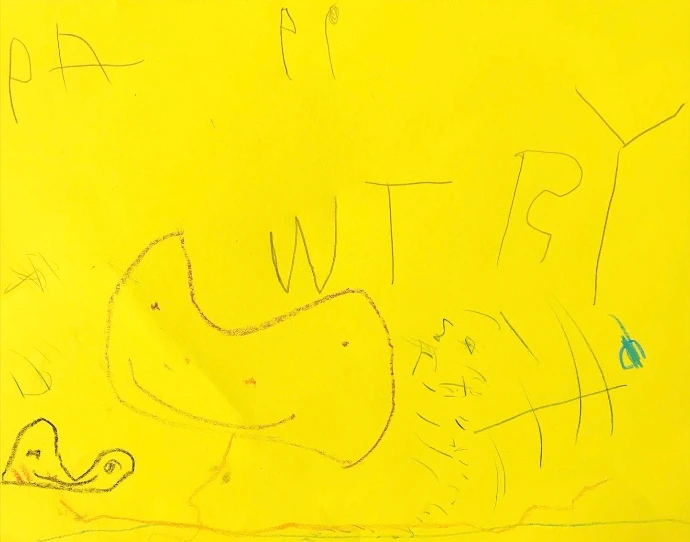
Understanding the process that children go through to achieve conventional reading and writing is fascinating. It allows us to recognise their early learning, understand their first writings, and, fundamentally, support their literacy while avoiding frustrations and enhancing their self-esteem.
“I took away an understanding of how little ones start to read and write, and tools to support this process. I took away the confirmation that literacy does not begin at school.”

“It was interesting as my husband was able to incorporate the same tools to support them in writing in German.”
Who is it aimed at?
- Mothers, fathers, and caregivers who wish to support the literacy process.
- Educators and professionals linked to childhood.
This course can help you if:
- you work with or have children aged between 3 and 7 years (approximately).
- you want to know how to support them because they are already asking about letters.
- you observe that they do not dare or become frustrated.
- you would like to understand why they omit letters or invert them.
- you wonder how it is that some children learn to read and write without anyone teaching them.
What will it provide you?
Theoretical tools
I will explain to you the stages that children go through from a very young age until they understand how our alphabetic writing system works.
New glasses to look through
You will gain the ability to observe and understand that process and thus be able to enjoy the first spontaneous writings, just as we enjoy the first drawings and doodles of children.
Strategies
You will take away practical tools to help them progress, instilling confidence in them, respecting their timing and the stage of the process.
Ideas for implementation
I will give you ideas to propose at home or in kindergarten, that have a real and communicative meaning for your children / students.
What does it include?
Two meetings of 3 hours each to think and learn together
These are theoretical-practical meetings, in which we will articulate the content with what each participant brings: their own learning, their concerns and needs. We meet in person or virtually.
Materials
The course includes resources and bibliographic material - printed or digital - as well as the presentation used in the classes.
Personalised consultations
You will have the opportunity to make inquiries via email or WhatsApp between meetings and throughout the month following the second meeting.
Frequently asked questions
In Munich, Germany. In the case of large groups, we can agree to hold it in another city.
The virtual meetings take place via Meet, live, and require your active participation.
No, the meetings are not recorded as your presence and participation are fundamental to the development of the content.
From around 3 years old, children start to ask questions about writing. If you are interested in seeing and hearing these first ideas in action and knowing how to support them, you can take the course once your little one reaches that age.
If they are just starting to read by themselves, the course may still be interesting for you to understand the challenges they are facing at this moment and how to support them.
Children do not wait for us to teach them to question the things that interest them. If your child is over 3 years old and is read to at home, they are likely already questioning writing, and if they are bilingual, they will think about both languages. My suggestion is that you take "glasses" that allow you to see how they are thinking.